A New Role for the Beta Family
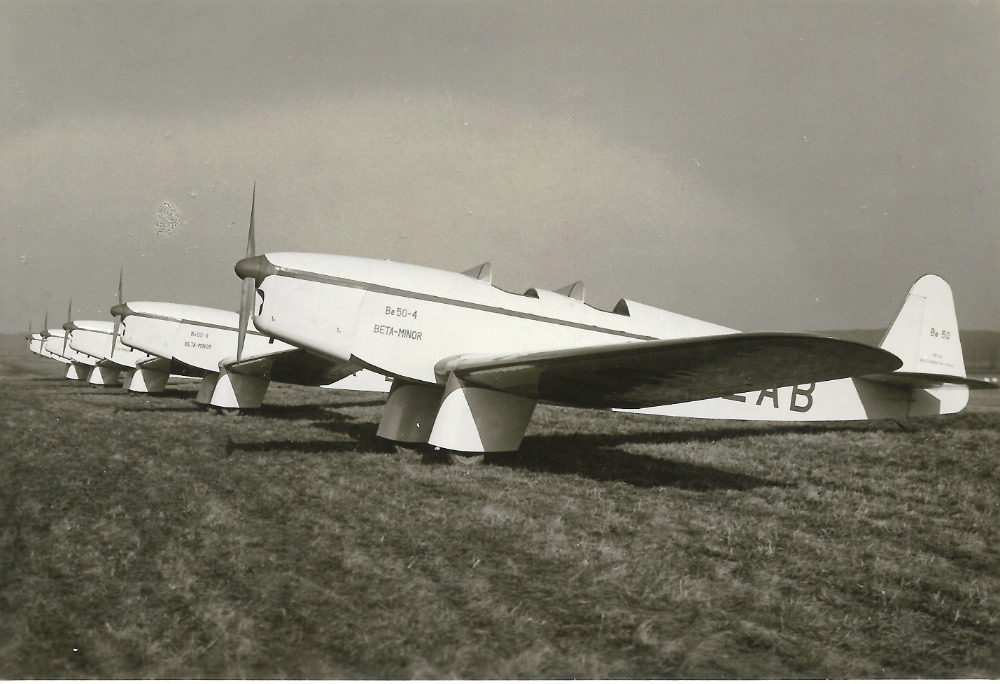
Following the Be 50 Beta Minor, the Beneš–Mráz factory continued to develop its low-wing concept. One result was the Be 52 Beta Major, designed for training and aerobatics. In 1936, the contemporary aviation magazine Flugsport presented it alongside the single-seat Be 56 as two new types from Choceň, structurally related to the Be 50. Both were powered by the Walter Major 4 engine.
While a basic trainer must primarily support the development of sound flying skills, aerobatic training places additional demands on structural strength and performance. The Beta Major therefore involved more than fitting a more powerful engine. Technical accounts in Modelář magazine also describe airframe modifications for aerobatic training and a strengthened structure.
For the young manufacturer, this represented a further expansion of its capabilities. The established aircraft family could be developed for specific purposes, from general flight training to more advanced flying.
Design and Contemporary Specifications
The Be 52 was the two-seat counterpart to the single-seat Be 56 aerobatic aircraft. According to the contemporary description, its Walter Major 4 engine delivered a rated output of 120 hp and a maximum output of 130 hp.
In 1936, Flugsport published the following figures for the Be 52:
| Specification | Published figure |
|---|---|
| Wingspan | 10.66 m |
| Length | 7.55 m |
| Wing area | 14 m² |
| Empty weight | 550 kg |
| All-up weight | 820 kg |
| Maximum speed | 235 km/h |
| Cruising speed | 200 km/h |
| Time to 1,000 m | 4 min 20 sec |
| Range | 600 km |
These figures come from a contemporary technical survey rather than modern testing.
The Dark Red Aircraft That Became Black
The Be 52 prototype carried the registration OK-BED. According to Křídla nad Orlicí, its colour scheme followed that of the Be 50 prototype and a briefly used scheme on the second Bestiola.
The base colour was dark red. A double white stripe ran beneath the cockpits, branching apart on the engine cowling. The Be 52 was the last aircraft from Choceň to use this combination. The scheme was not particularly well liked, and in 1937 the aircraft was repainted in what had become the factory’s standard colour scheme.
Yet the original finish left an unexpected mark on aviation history. The photographic plates used at the time rendered the dark red paint as an extremely dark tone. Black-and-white photographs consequently gave rise to the belief that the Beta Major had been painted black. According to Křídla nad Orlicí, this misconception persisted for years and was repeated in published accounts.
It is a small but revealing detail: a historical photograph may faithfully record an aircraft’s shape while giving a misleading impression of its colour.
From Two Seats to One
The two-seat Be 52 was followed by the aerobatic Be 56. The forward cockpit was removed, together with its controls and instrument panel. The fuel system was also revised: the wing tanks were omitted, and the fuselage tank was enlarged. The lighter single-seater thus developed the same basic design further for dedicated aerobatic flying. Both types remained prototypes.
The Be 52’s Place in Orličan’s History
The significance of an aircraft cannot be measured solely by the number built. The Be 52 illustrates how quickly the Choceň design programme was branching out and how varied the tasks facing its designers had become.
The practical Bestiola and the more versatile Beta Minor were followed by an aircraft intended for aerobatic training. Its place in the brand’s history rests on that development work: finding the right combination of airframe, engine and purpose.
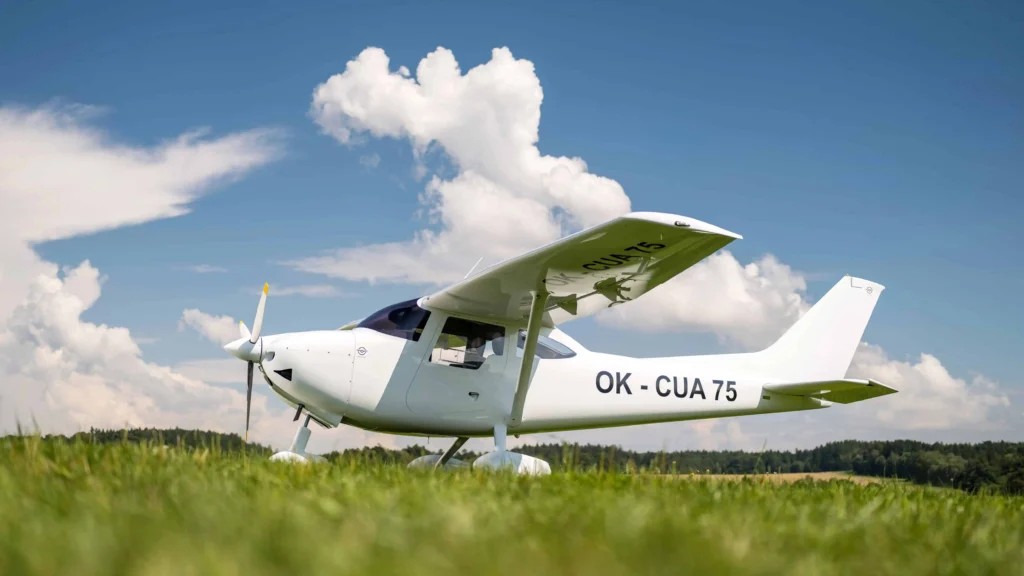
Today’s M‑8 EAGLE serves a different brief and is built from different materials. The Be 52 recalls an early chapter in the engineering tradition Orličan draws upon — a time when each new aircraft design expanded the young factory’s capabilities.
Sources
- Křídla nad Orlicí — supplied extract describing the colour scheme of Be 52, OK-BED.
- Flugsport, Vol. XXVIII, No. 17, 1936, p. 410: “Tschechoslow. Flugzeuge Beta-Major Be 52 und Be 56.”
- Modelář, No. 2/1977 — description of the relationship between the Be 52 and Be 56.
- Modelář, No. 12/1977, “Poznáváme leteckou techniku” section: Be 56 Beta Major.