
The First Republic and the State of Czech Aviation
The First Czechoslovak Republic attributed an almost symbolic role to aviation. Editor A. R. Hartman described it as “a unifying national symbol for a country without a sea.” The idea was powerful, but the reality far more complex. Aviation held low social prestige, which was reflected in the status of pilots. A non‑commissioned officer — a field pilot — received a bonus of only 300 Kč after completing training. The air force lacked hundreds of long‑serving pilots, and recruitment efforts repeatedly failed. Although the state invested considerable resources into pilot training, it struggled to provide meaningful employment once pilots left military service.
These circumstances revived — following the example of major powers — the idea of establishing a separate Ministry of Aviation. The proposal was approved by the Chamber’s Transport and Technical Committee at the end of 1935, but the Ministry of National Defence rejected it. Plans from 1936 stated: “…they cannot allow the establishment of a Ministry of Aviation dominated by a civilian political component.”
Sport aviation was in a dire state. Most aircraft in use were outdated, retired military machines. At the beginning of 1935, aviation clubs owned only 91 aircraft. The airport network also fell short of the needs of a modern state. Conditions began to improve only with the “1,000 New Pilots” initiative and the National Aviation Fund, which raised over 12 million crowns in 1934. Paradoxically, there was little to buy with these funds — modern aircraft were simply unavailable.
Choceň: A Town of Stability and Industrial Roots
Since the 19th century, Choceň had been an important railway junction, providing many residents with stable and respected employment “with the railway.” This social group traditionally leaned toward social‑democratic politics, and the town chronicle even notes the constructive approach of local communists in municipal affairs. Political stability naturally translated into economic stability.
Lower living costs, accessible housing, and affordable land created an environment that attracted new residents. Choceň gradually became a town of small rentiers and a popular summer retreat for middle‑class families from Prague — people for whom the traditional holiday destinations of the Prague elite were financially out of reach.
Industrial Background
Although the foothills of the Orlické Mountains were predominantly agricultural, Choceň had a strong engineering tradition. This was largely thanks to:
- Josef Kudláček (1830–1909) — founder of the first engineering company in Austria‑Hungary focused on butchery and meat‑processing machinery.
- Josef Kolář (1864–1946) — whose company expanded into electrical engineering and represented brands such as Telefunken and Philips.
This industrial base created an environment where technical skill and innovation were part of everyday life. So when the opportunity arose in 1935 to bring aircraft production to the town, Choceň was ready.
Beneš and Mráz: A Complicated Beginning to a Major Story
The founding of the company Beneš–Mráz was the result of complex negotiations. The surviving contract from 14 February is “carefully drafted, and at first glance reveals the concern of both parties that neither side should gain an undue advantage.”
Post‑war interpretations often portrayed Ing. Beneš as a victim of the uncompromising Mráz, but the reality was far more nuanced. One draft version of the contract shows that Beneš entered the negotiations with considerable confidence: “Ing. Beneš shall actively participate in the company through his work… the other partner shall provide the initial capital…” His expectations regarding remuneration were equally striking: “The partner guarantees Ing. Beneš an annual income of 200,000 Kč regardless of the company’s actual profit…”
The final contract eventually contained 20 articles, the first of which defined a clear purpose: “…to jointly manufacture aircraft and their components, carry out aircraft repairs, and trade in these products…” In the end, the parties reached an agreement, and on 1 April 1935 the company Beneš–Mráz was officially established.
Life Inside the Factory
Although the 1930s may feel distant, everyday life inside the factory was in many ways not so different from what we know today. Ladislav Šváb, one of the employees of the Choceň plant at the time, described in his recollections the daily rhythm of the workshop and the wage conditions he experienced firsthand. In Choceň he earned 172 Kč per week, which reflected the regional standards of the period. With the start of aircraft production, however, wages in Mráz’s factory were raised. Zdeněk Rublič later recalled how workers from Prague were surprised by the local pay levels and even tried to educate their colleagues about earnings in the aviation industry elsewhere.
The local wage environment corresponded to the historical conditions of the region. After the last strike in 1923, there was no organized struggle for higher pay, though workers often made individual requests for better compensation. When Mráz valued an employee, “a few extra haléř could be negotiated.” One long‑time worker later remarked: “Mráz never paid much, but he didn’t lay people off.” Ing. Mráz considered the long‑term “social peace” he maintained — even during the worst years of the economic crisis — one of his greatest achievements.
Baťa: Competitor, Partner, and Inspiration
In understanding the business landscape of the interwar period, it is important to note that the company Beneš–Mráz was not an isolated regional workshop but maintained connections with some of the most influential industrialists of its time. One of them was Tomáš Baťa — founder of one of Czechoslovakia’s largest industrial enterprises, a pioneer of modern management, and a defining figure of the era’s economic life.
Baťa was viewed in Choceň through a dual lens — as a competitor, yet also as a significant business partner. Even before the war, several refrigeration units produced by Mráz’s company were operating within the Baťa empire, and the cooperation continued in 1937, when Baťa requested equipment capable of cooling down to –80 °C. Chief refrigeration engineer Jindřich Vrátil, working in collaboration with the Prague technical institute, developed an original three‑stage system known as “Kaučuk I,” which in the autumn of 1938 reached temperatures as low as –90 °C — an exceptional achievement demonstrating the technical level of Mráz’s refrigeration division.
Both Tomáš and Jan Antonín Baťa were pioneers of business aviation, and their approach inspired Mráz as well. During his frequent visits to Zlín, he studied the Baťa system and sought inspiration in the social sphere too — he even considered building Baťa‑style family houses for his employees, but the plan was thwarted by excessive demands from local landowners.
Be 60 “Bestiola” — The Company’s First Aircraft
As we mark the anniversary, it is fitting to recall the very beginning of aircraft design in Choceň — the first airplane built here, which we will explore in more detail in an upcoming historical series.
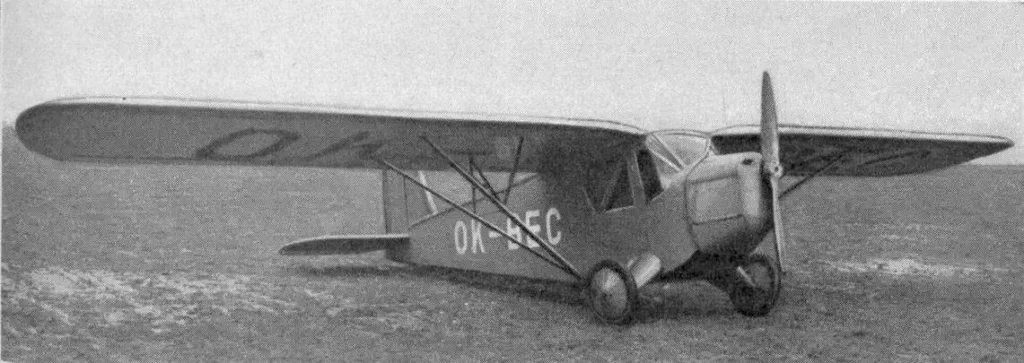
The company’s first aircraft was the Bestiola, created surprisingly quickly — within just a few months of the factory’s founding — and it immediately demonstrated that the Choceň team could design and build its own type in record time. Its significance lay not only in being the first aircraft of the new factory, but also in proving the capabilities of the young design department.
The Be 60 “Bestiola” was a light two‑seat low‑wing aircraft of simple construction, intended for sport and touring flying. Its structure was wooden, covered with plywood and fabric, with fixed landing gear and straightforward controls. The Bestiola was designed to be inexpensive to manufacture and operate, matching the contemporary demand for accessible sport aircraft. The first prototype flew in 1935, and additional units soon followed. The Bestiola enabled a rapid start of production and provided the first experience with organizing factory operations. It was regarded as reliable and suitable for basic pilot training as well as recreational flying.
Changes in the Company Name
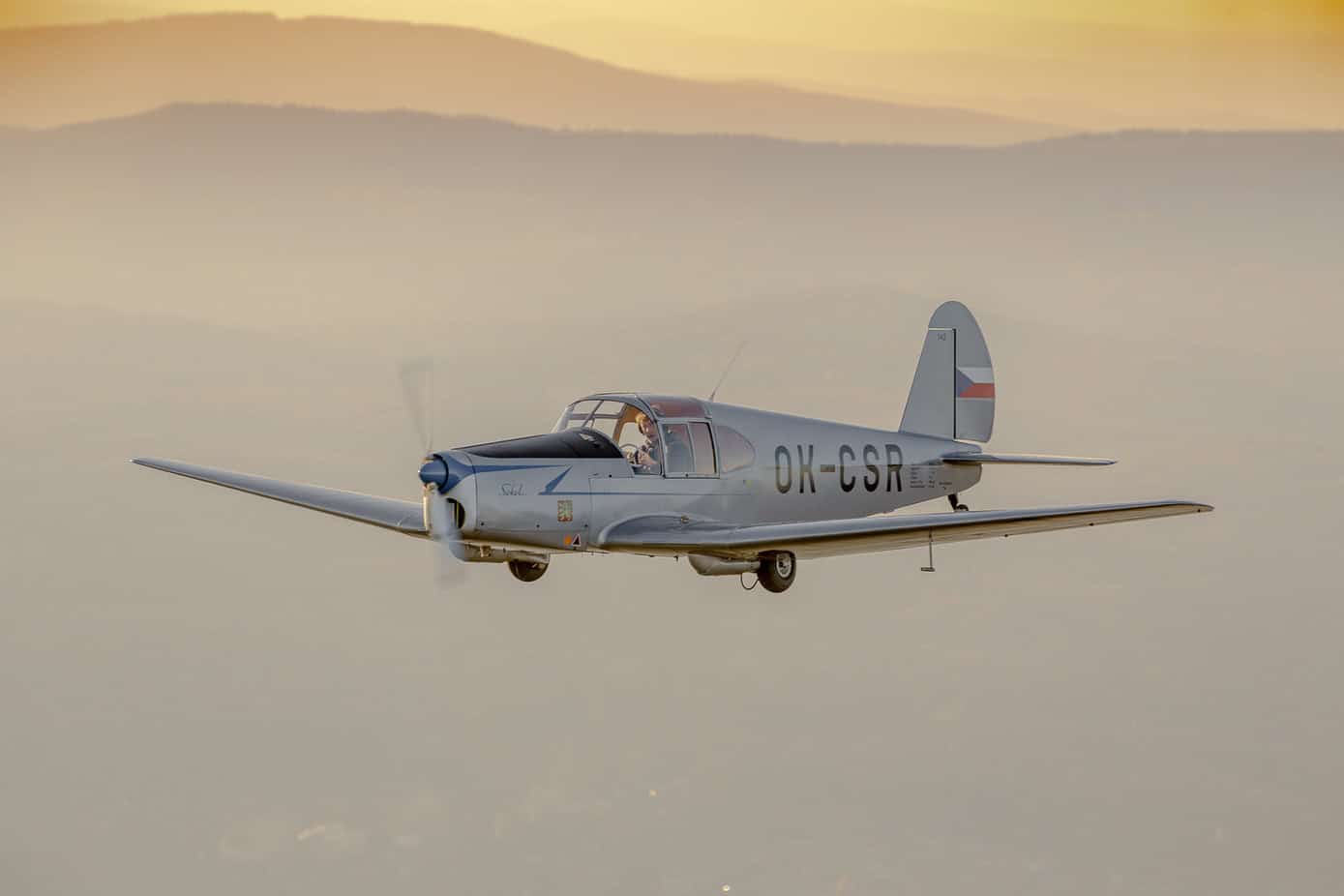
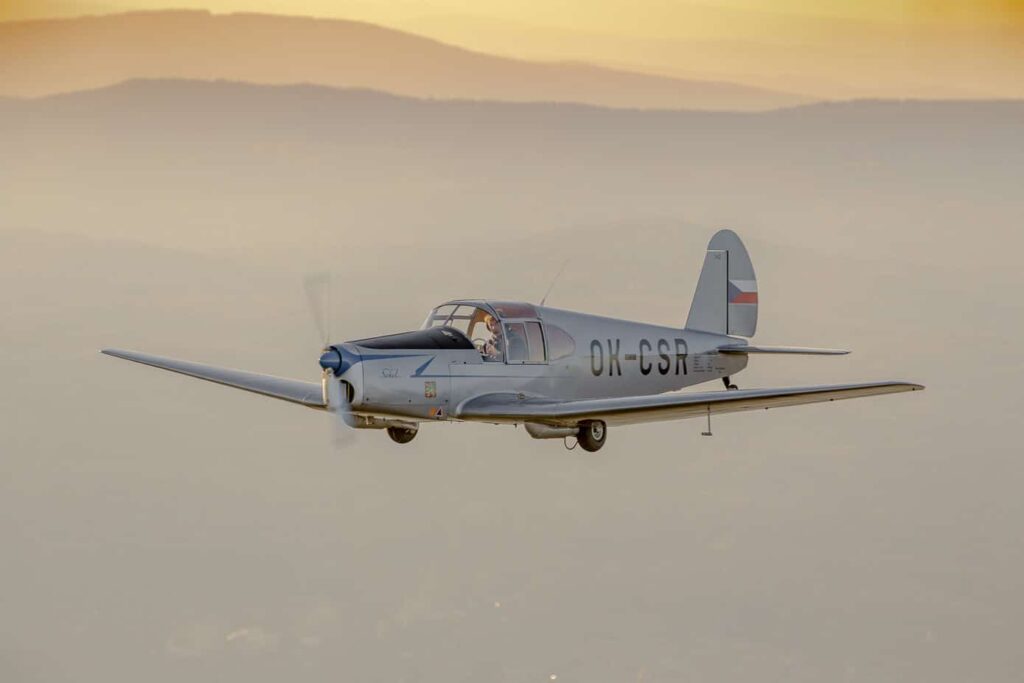
Many people today do not automatically associate the historical aircraft built in Choceň with the name Orličan — and understandably so. Over the decades, the company underwent several changes in name and organizational structure, gradually blurring the continuity of the brand in public memory.
From the original Beneš–Mráz, the company adopted the wartime designation Ing. J. Mráz, Flugzeugfabrik Chotzen. After the war, it operated under the name Ing. Mráz, aircraft factory under national administration, later becoming part of Automobilové závody n.p., then incorporated into LET n.p. as Plant No. 8, and subsequently renamed Let n.p., Production Unit No. 03 Choceň.
It was not until 1955 that the company received the name that would become a lasting part of the region and of Czech aviation: Orličan.
People Who Shaped the Story
The success of aircraft production in Choceň was built not only on a few prominent figures, but on the work of the entire collective — from designers to workshop workers, whose everyday effort kept the company running for decades. This combination of technical expertise and steady, day‑to‑day perseverance forms the essence of what we now call the spirit of Orličan.
Alongside this broad foundation stood individuals whose decisions and vision shaped the direction of the company in key periods of its development. Among the most prominent and well‑known personalities was Ing. Jaroslav Mráz, who combined entrepreneurial drive with technical intuition and built in Choceň a factory that withstood even exceptionally difficult circumstances. At his side worked Ing. Pavel Beneš, one of the most important Czech aircraft designers of the interwar era. A significant role was also played by Ing. Zdeněk Rublič, who took over the management of the factory under national administration after the war and succeeded in restoring production after the severe damage the site suffered in 1945.
Among the designers who contributed to the development of individual aircraft types were, for example, Rudolf Bartoš, Zdeněk Bedřich, Josef Koukal and Jan Krumbach. Equally important were the workers, technicians, carpenters, fabric specialists, assemblers and test pilots who formed the everyday operational backbone of the factory. Their craftsmanship, ability to improvise and willingness to work under demanding conditions were among the main reasons why aircraft production in Choceň succeeded.
A New Era: The Founding of ORLIČAN s.r.o. and the Revival of Production (2014–2026)
The development of aircraft production in Choceň has never come to a halt throughout its entire history. The company repeatedly faced changes, crises and new challenges — and yet always managed to find a way forward. An overview of these milestones can now be found on the Orličan website in the History section, which maps ninety years of continuous production. Since 2014, a new chapter has begun under new leadership that builds on this tradition while moving it into the present.
On 17 October 2014, the company ORLIČAN s.r.o. was established, with b‑TECHNOLOGIE a.s., represented by Ing. Václav Bervid, becoming its strategic partner.
On 15 December 2014, a contract between Schempp‑Hirth Flugzeugbau GmbH (SHK) and ORLIČAN s.r.o. was ratified, enabling the immediate start of component production for the German manufacturer. This marked the beginning of an intensive period of building a new company, setting up processes and restoring production.
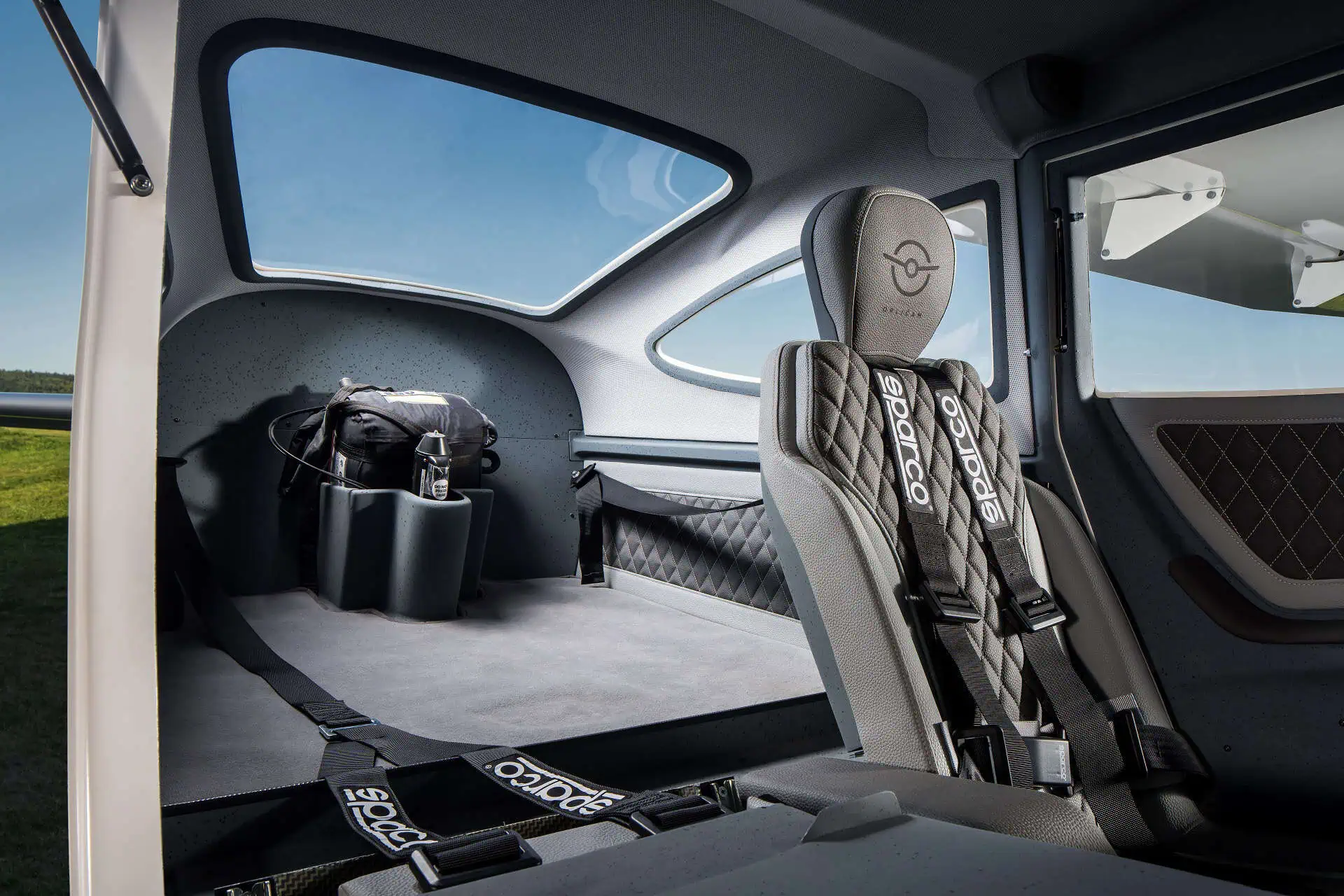
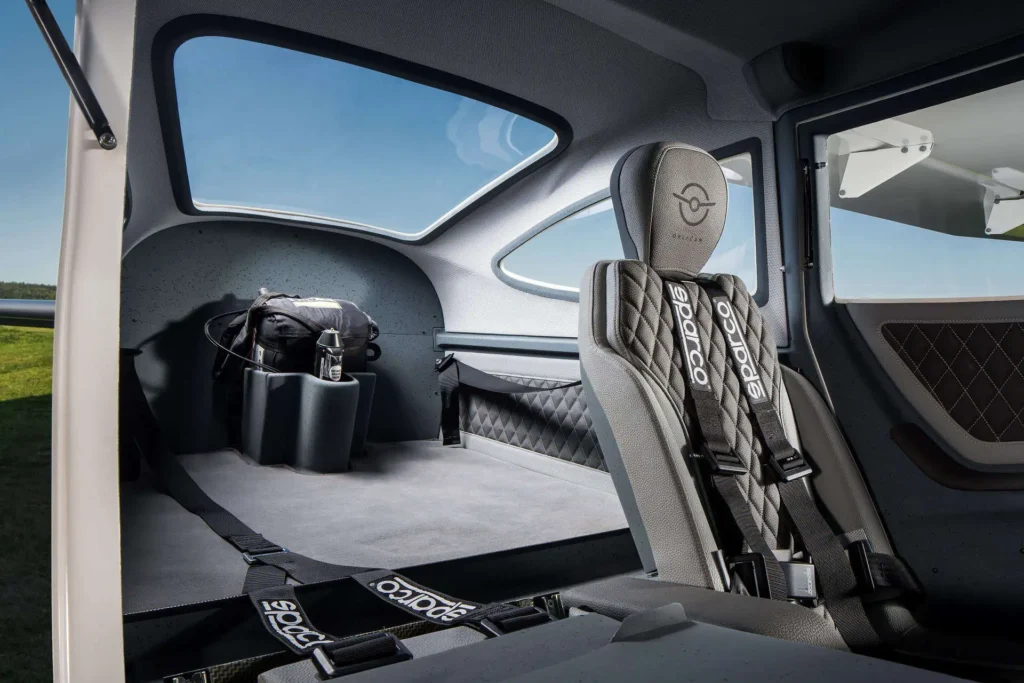
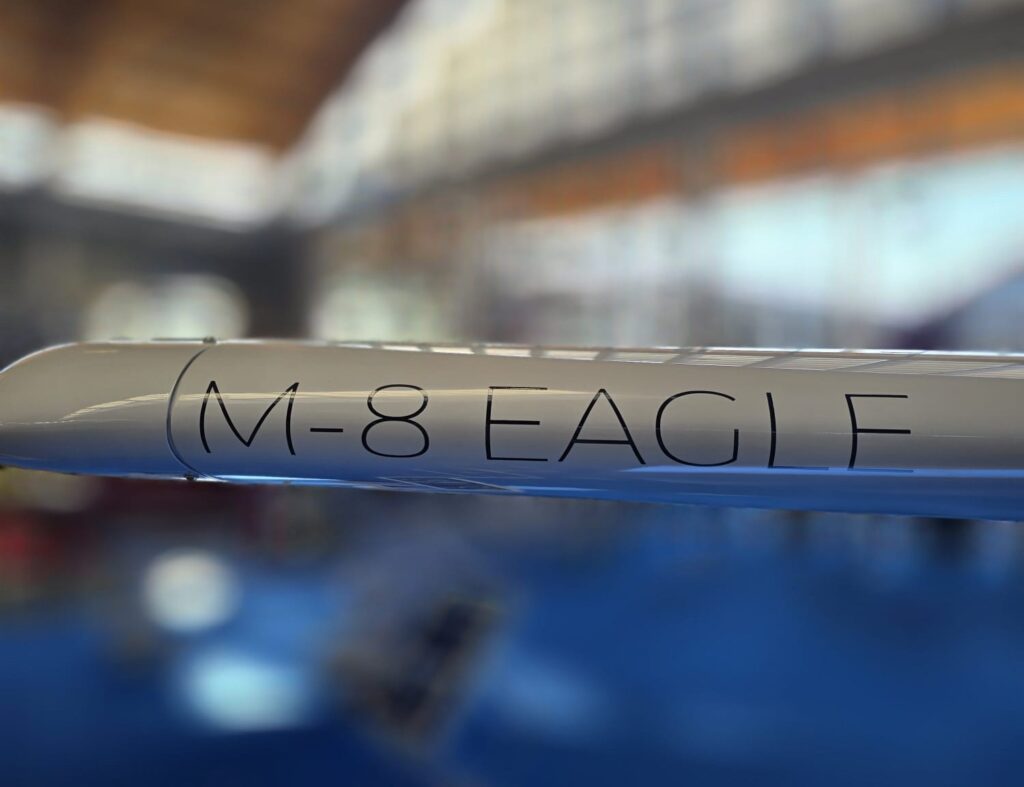
Today, this phase continues with the successful development of the M‑8 EAGLE — a modern aircraft project that connects past experience with current technologies and represents the next step in the ongoing tradition of aircraft manufacturing in the region.
Sources
Marjánek, J.: Křídla nad Orlicí — 1. díl. Choceň, Regional Museum in Choceň.
Collective of Authors: Aircraft Production in the Czech Lands 1918–1939. Prague, National Technical Museum.
City Archive of Choceň: Town Chronicle (19th–20th Century) — records on industry, railways, and the town’s social structure.
Schempp‑Hirth Flugzeugbau GmbH: Historical materials on glider production and cooperation with Czech manufacturers.
Among the sources used are the internal archives of the Orličan company.